

| Format | Hardcover |
|---|
-19%
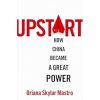
Upstart: How China Became a Great Power
$21.27 Save:$5.00(19%)
Available in stock
| ISBN-10: | 019769506X |
|---|---|
| ISBN-13: | 978-0197695067 |
| Publisher: | Oxford University Press |
| Publication date: | July 1, 2024 |
| Language: | English |
| Dimensions: | 6.5 x 1.3 x 9.7 inches |
| Print length: | 336 pages |
People Also Viewed
-
 Hooked (Collector's Edition) (Never After, 1)
$25.10
-
 Thyroid Transformation Blueprint
$22.45
-
 NVI, Santa Biblia, Revisión 2022, Edición económica, Tapa rústica (Spanish Edition)
$2.42
-
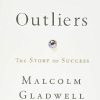 Outliers: The Story of Success
$8.77
-
 KJV, Pew Bible, Large Print, Hardcover, Black, Red Letter, Comfort Print: Holy Bible, King James Version
$10.16
Additional information
Description
A powerful new explanation of China’s rise that draws from the business world to show that China is not simply copying established great powers, but exploiting geopolitical opportunities around the world that those other powers had ignored. Thirty years ago, the idea that China could challenge the United States economically, globally, and militarily seemed unfathomable. Yet today, China is considered another great power in the international system. How did China manage to build power, from a weaker resource position, in an international system that was dominated by the U.S.? What factors determined the strategies Beijing pursued to achieve this feat? Using granular data and authoritative Chinese sources, Oriana Skylar Mastro demonstrates that China was able to climb to great power status through a careful mix of strategic emulation, exploitation, and entrepreneurship on the international stage. This “upstart approach” ― determined by where and how China chose to compete ― allowed China to rise economically, politically, and militarily, without triggering a catastrophic international backlash that would stem its rise. China emulated (i.e. pursued similar strategies to the U.S. in similar areas) when its leaders thought doing so would build power, while reassuring the U.S. of its intentions. China exploited (i.e. adopted similar approaches to the U.S. in new areas of competition) when China felt that the overall U.S. strategy was effective, but didn’t want to risk direct confrontation. Lastly, China pursued entrepreneurial actions (i.e. innovative approaches to new and existing areas of competition) when it believed emulation might elicit a negative reaction and a more effective approach was available. Beyond explaining the unique nature of China’s rise, Upstart: How China Became a Great Power provides policy guidance on how the U.S. can maintain a competitive edge in this new era of great power competition. — ASIN: 019769506X | ISBN13: 9780197695067 | ISBN-13: 978-0197695067
Reviews (0)
Only logged in customers who have purchased this product may leave a review.










 No products in the cart.
Reviews
There are no reviews yet.